
The problem
The calendar says "summer sale". The warehouse says "we have forty of those". The ad goes out anyway. If your creative is planned around dates rather than around what sells profitably, this page is for you.
Performance creative for ecommerce, the way we do it, means ad concepts, production and testing for Meta, TikTok and Google. Briefs start from product economics: which products have the margin and the stock to be pushed. Tests are judged on cost per purchase and margin, not on click-through rate.
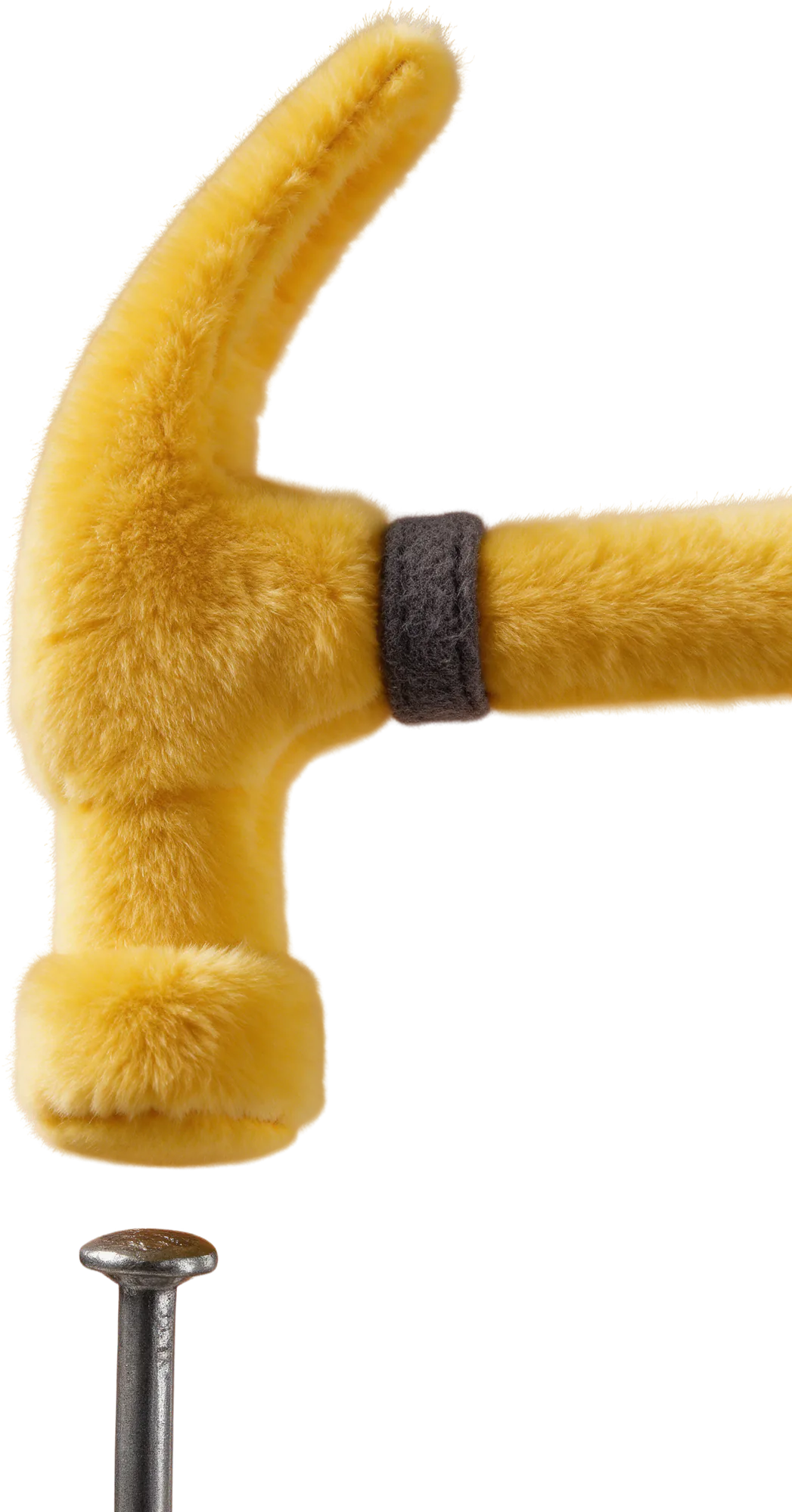
The calendar says "summer sale". The warehouse says "we have forty of those". The ad goes out anyway. If your creative is planned around dates rather than around what sells profitably, this page is for you.
Briefs that start from the money.
Which products carry enough contribution margin to advertise, and which have stock to back the demand. Our convention: contribution margin is what is left per order after goods, delivery, payment fees, returns and discounts, before marketing.
Static, video and UGC ads for Meta, TikTok and Google. We produce them, or we brief and support your in-house team.
What each test compares, what counts as a win, and when we read it. See our creative testing framework.
We watch for creative fatigue: results sliding as the same people see the same ad too often.
How many new concepts your spend can actually test, not how many a playbook says you need.
Losers included. That record is yours.
On cost per purchase and the margin of what it sold. Not click-through rate.
A cheap click that sells your lowest-margin product is not a win. Neither is an ad that sells out a bestseller you can't restock. The platform optimises for the purchases it counts. Margin and stock are for us to check. So we check stock before we push.
Example (illustrative): Ad A sells a product with a 20 per cent contribution margin at a lower cost per purchase. Ad B sells a product with a 45 per cent margin at a higher one. Ad B can still leave more money per order. The platform will happily scale Ad A.
Results come from the ad platform, checked against your shop's orders. Where the budget and volume allow, we compare against a holdout test rather than trust the platform's credit alone. Where they don't, we say so.
Yes, but be careful who tells you how. Meta's engineers describe Andromeda as a machine learning system for retrieval in ad recommendation: the stage that picks which ads are candidates to show12. That is Meta's own account.
Most of what you read about Andromeda and creative volume comes from vendor playbooks. One creative-analytics vendor, for example, frames it as a 2026 creative strategy with its own rules3. That is an interpretation, not Meta's documentation. We test what it means on your account.
There is no universal number. One tool vendor's testing framework lists its own pillars and cadence4. That is a vendor's method, not a Meta rule. An independent Meta ads consultant goes further: there is no "good" or "bad" frequency, and you don't need to refresh ads every few weeks by default5.
So we set the cadence from two things: fatigue signals on your account, and what your budget can test. Ads Manager can label an ad for creative fatigue when its cost per result rises above its own past level, as the same consultant explains5. A rising cost can also be a tracking or landing-page problem. We check those first. More in how to fix creative fatigue.
AI makes more ads cheaper to produce. More ads are not the goal. An ad still needs an idea, a feel for the audience and a check that it sold. We use AI tools where they help, and we don't count output as progress.
We look at what your current ads sell, at what margin, and with how much stock behind it. We check whether fatigue is real or a tracking issue.
A creative brief tied to products worth pushing, a test design with a clear win rule, and a refresh plan your budget can carry.
We produce the concepts or brief your team, then launch tests on Meta, TikTok or Google. The setup we use on Meta is described in Meta creative testing setup.
We read the results on cost per purchase and margin. Then we scale, refresh or stop, and say why.
A category-defining recovery-footwear brand had a growing market, a best-in-class product, and a shrinking customer base.

“Their engagement is impressive.”
On its own, or together with paid media management for the same channels. We don't publish prices. Scope first, fee second, on a call. There is no separate free creative audit. Our free ad account audit compares what your platforms report with your sales and margin, which is often where a creative question starts.
What we need from you: product materials, rights to use images, faces and customer content, and a person who signs off on brand.

There's no universal number, and guides disagree. We set the cadence from fatigue signals on your account and what your budget can test.
Ads Manager flags it when an ad's cost per result climbs above its own past level5. A rising cost can also be a tracking or landing-page problem, so we check those first.
On cost per purchase and the margin of what it sold, not CTR. A cheap click that sells your lowest-margin product is not a win.
Where it helps. Producing more is not the goal. An ad still needs an idea and a check that it sold.
Yes. Meta describes Andromeda as the system that retrieves which ads are candidates to show. Claims about creative volume come mostly from vendor playbooks, so we test them on your account.
Yes. We can produce creative or support your team with briefs, test design and reading results.
The ones with the margin and the stock to back them. Pushing a bestseller that is about to sell out just buys demand you can't serve.

Creative Strategist
Seven years of paid social. Budgets over $2M a month. The algorithm is good, but it cannot fix an ad that says nothing.

Creator Marketing Specialist & Project Manager
Thirteen workstreams. About twenty specialists. One direction. Plus creators who fit your customer, not just a follower count.

